Homeric Hymn to Demeter
Introduction:
This module centers the Homeric Hymn to Demeter as a literary text. We offer suggestions for how to draw on the Hymn for discussions about gender, family, and social practices in the archaic Greek world. We also share some possibilities for inviting students into imaginative engagement with the ritual context of the text.
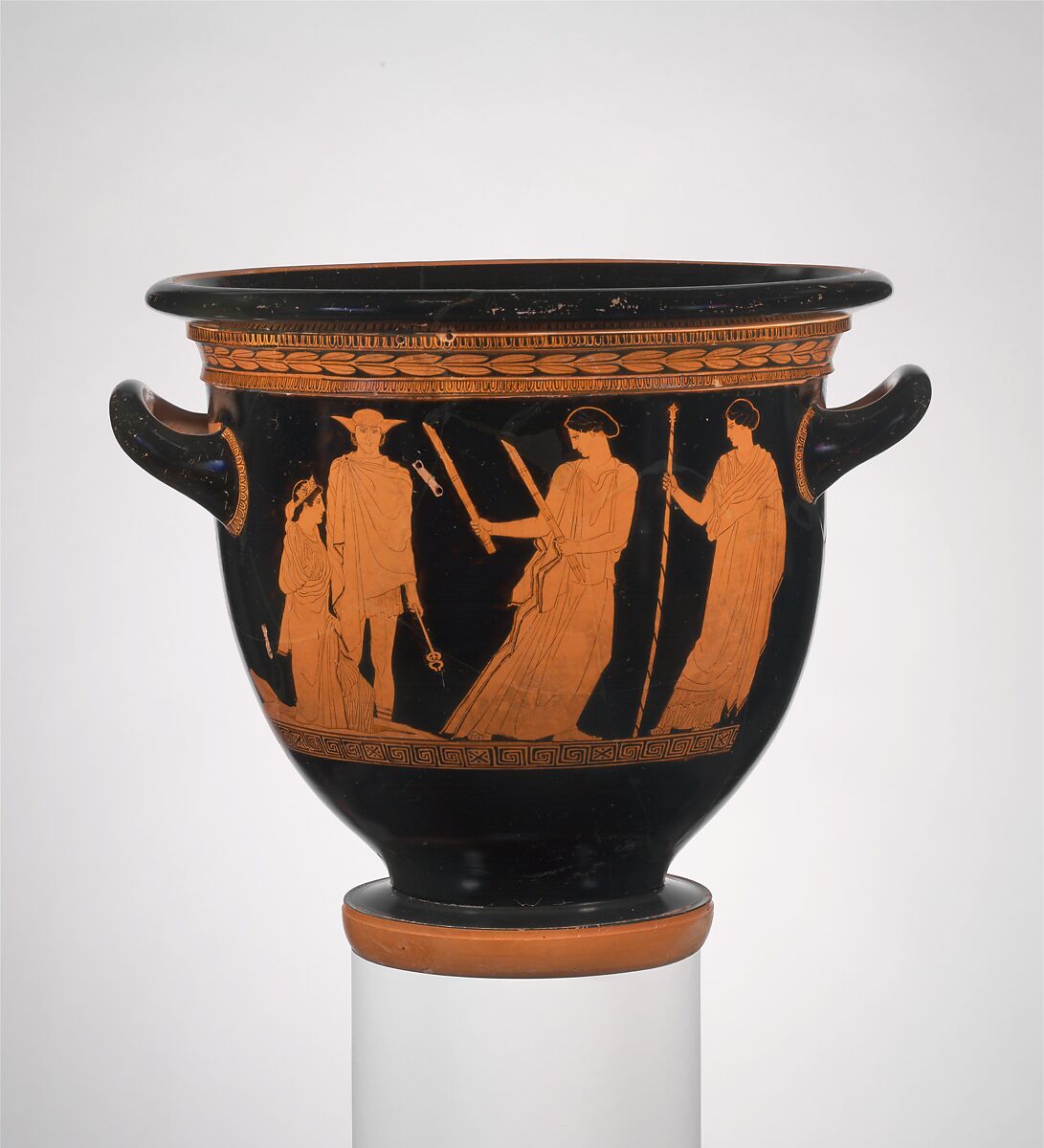
The Homeric Hymn to Demeter may be unfamiliar in style for first-time readers, but is an approachable and compelling poem with rich symbolism and a clear, coherent narrative arc. The poem offers opportunities to study ancient Greek familial structures, marriage practices, and the Mediterranean agricultural season. It powerfully represents the mother-daughter relationship between Demeter and Persephone and shows several other Olympian divinities in action.
Primary Sources:
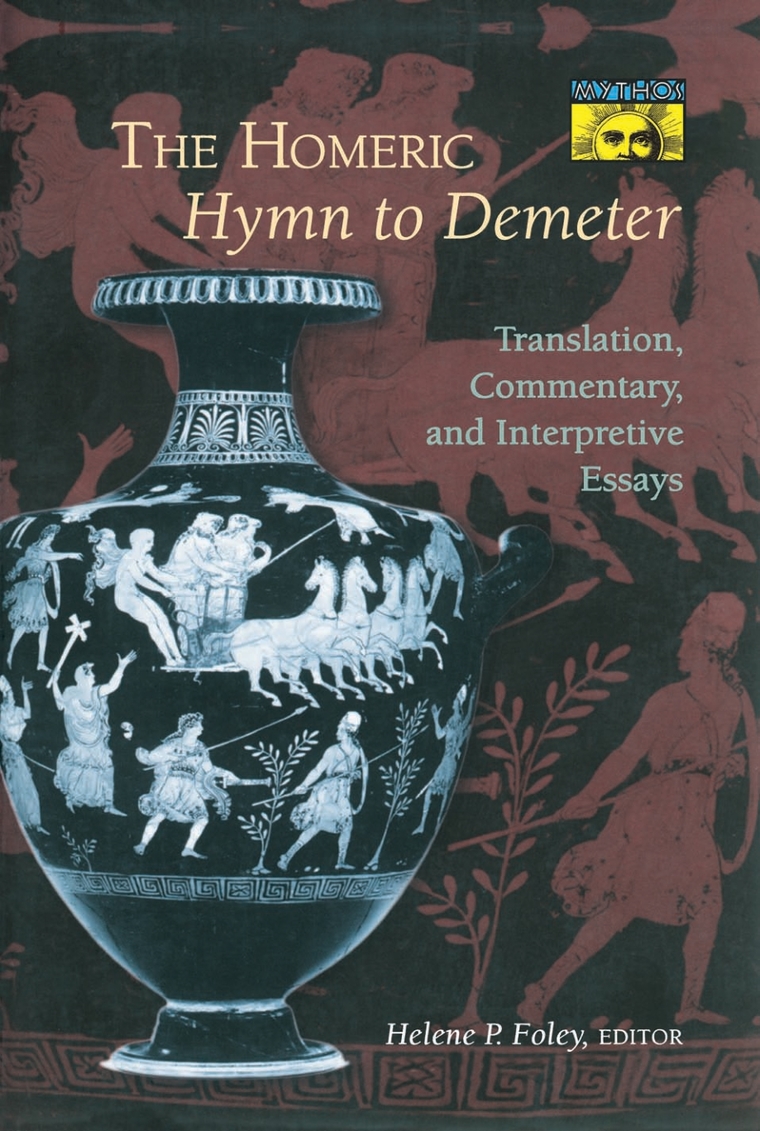
We recommend Helene Foley’s edited text and translation, which is available on JSTOR and in a paperback print edition:
Foley, Helene. 1994. The Homeric Hymn to Demeter : Translation, Commentary, and Interpretive Essays. Princeton N.J.: Princeton University Press.
Secondary Sources:

Chandore, Allaire Brisbane. 1976. “The Attic Festivals of Demeter and Their Relation to the Agricultural Year.” Ph.D., United States — Pennsylvania: University of Pennsylvania.
Dungy, Camille, Harryette Mullen, Christina Sharpe, Evie Shockley, Irene Tsatsos, and Alison Saar. 2020. Alison Saar: Of Aether and Earthe. Edited by Rebecca McGrew. Benton Museum of Art at Pomona College.
Foley, Helene P. 1994. “Commentary on the Homeric Hymn to Demeter.” In The Homeric “Hymn to Demeter: Translation, Commentary, and Interpretive Essays,” edited by Helene P. Foley, 28–64. Translation, Commentary, and Interpretive Essays. Princeton University Press.
Katz, Marilyn Arthur. 1994. “Politics and Pomegranates Revisited: An Interpretation of the Homeric Hymn to Demeter.” In The Homeric “Hymn to Demeter: Translation, Commentary, and Interpretive Essays,” edited by Helene P. Foley, 212–42. Princeton University Press.
Ortner, Sherry B. 2005. “Is Female to Nature as Male Is To Culture?” In Making Gender: The Politics and Erotics of Culture. Boston: Beacon Press.
Lorde, Audre. 1981. “The Uses of Anger.” Women’s Studies Quarterly, October.*
Valentine, Jody. 2020. Experimental Pedagogy. The Claremont Colleges Library.
Ziment, Lauren. 2021. “Redefining the Pomegranate.” In Gender & Sexuality in Ancient Greece, edited by Jody Valentine. The Claremont Colleges Library.
*The Workshop provided with this Module works especially well if students have also read Audre Lorde’s “The Uses of Anger.”
Resources:
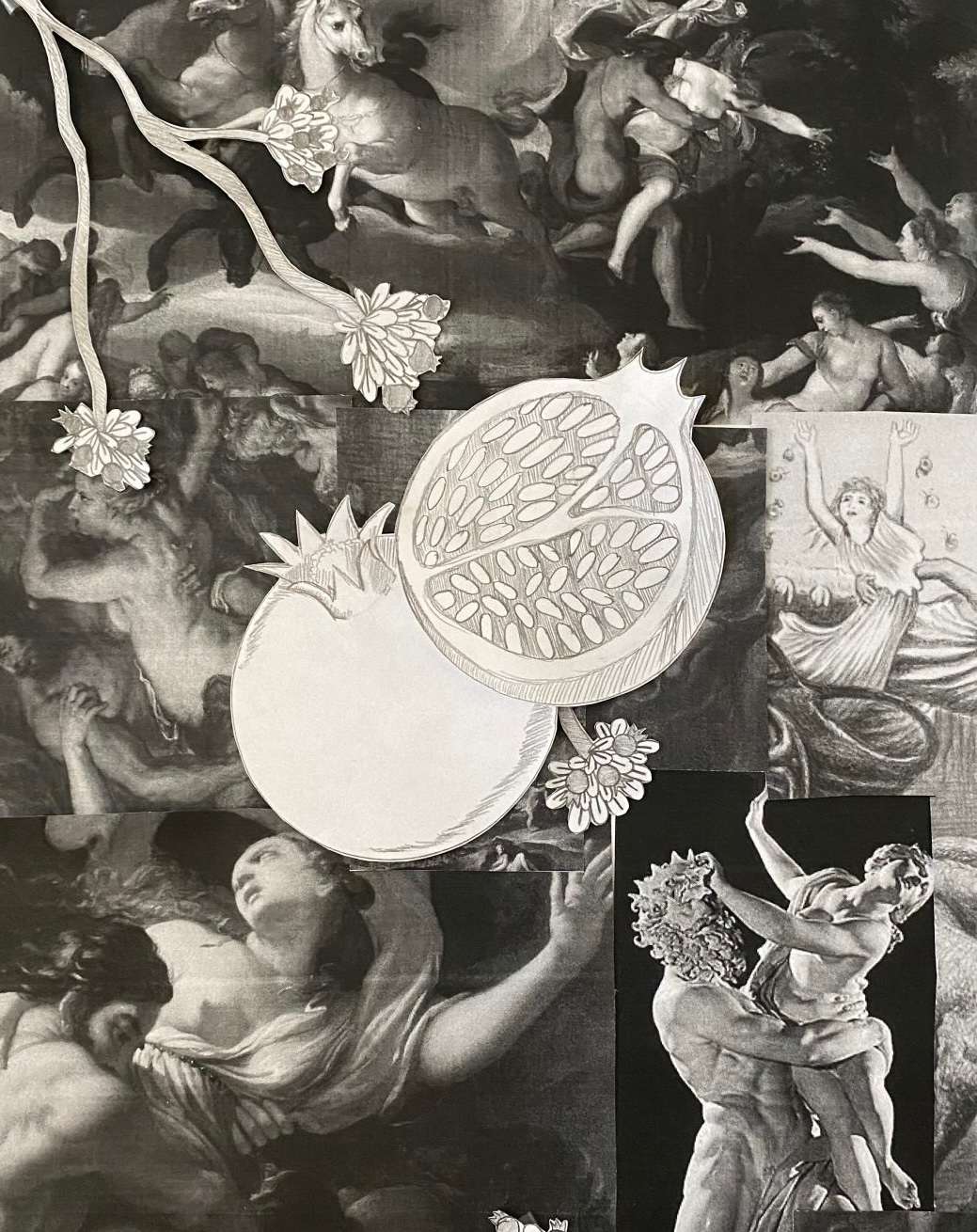
We suggest teaching this module with a short presentation and workshop-based discussion. For robust student-centered discussion and engagement with the HHD, we developed a Conceptual Workshop.* To prepare students for this workshop, you might also assign Audre Lorde’s “The Uses of Anger.” After students complete the workshop and reconvene, we suggest the instructor facilitate a discussion by inviting scribes to report out on the results of some (or all) of the workshop questions. We like to invite the scribes to report on a couple of the workshop prompts and then conclude by facilitating a full-class discussion of the central themes of the poem.
We like to show a concise set of slides, such as those provided here (with presenter notes), after the workshop, either on the same day (for a long seminar) or in the next class meeting.
Our Slides and Workshop are downloadable via the buttons at the top of the Module.
*For more info about Conceptual Workshops, and a guide for creating your own, see Jody’s Experimental Pedagogy Pressbook.
Creative Project Assignment Suggestions
We also suggest that the Hymn to Demeter presents a myth that was closely connected to ritual practice. Students may wish to reimagine and revitalize the story and its ritual context for themselves, in their own way. We often provide a creative assignment that invites them to do just that. We have assigned groups of students to design and lead the class in a multi-sensory experience or to create a Zine inspired by the Hymn. Both of these projects resulted in students engaging with the text and exploring the themes of the poem in ways that support their own introspection and critical thinking.
Excursus on Visual Receptions
Alison Saar’s Equinox
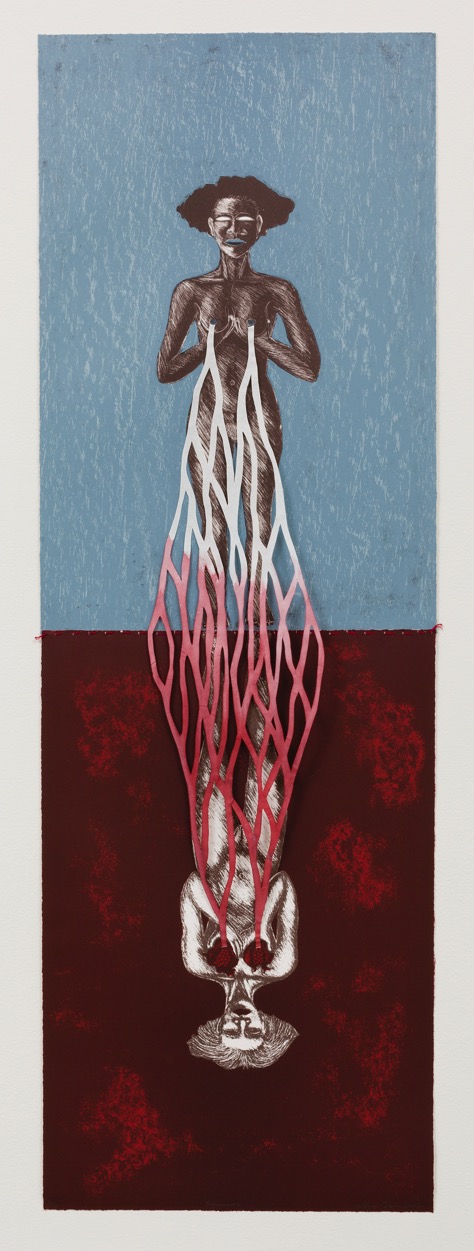
Saar created Equinox when her own daughter was leaving home for college. The thread that Saar draws between Demeter’s loss of Persephone to marriage with the artist’s separation from her daughter as she went to college resonates with the immediate experience of students and inspires them to connect with the poem and imagine their own creative responses to it. You might invite students to study the lithograph closely and appreciate the materiality of the piece, noting that Saar’s use of indigo dye calls forward the exploitation of slaves essential to the indigo industry in the United States. Note how the diptych is stitched together, evoking quilting and other craft practices, which have a history in anti-slavery activism (such as in abolitionist sewing circles). Attend to the beauty and symbolism of the imagery. In addition to interpreting how the piece refers to, and deviates from, the Hymn, note Saar’s pro-Black feminism and how Equinox presents the artist working with the myth to tell her own story.
I personally love Saar’s unapologetic foregrounding of breastmilk as a real and symbolic representation of embodied motherhood. I plan to develop this analysis more fully for a publication on how Saar represents the Hymn in this work. I find that teaching material that I haven’t fully refined in an effective way to include students in the process of inquiry.
– Jody
Judy Chicago’s Fertile Goddess
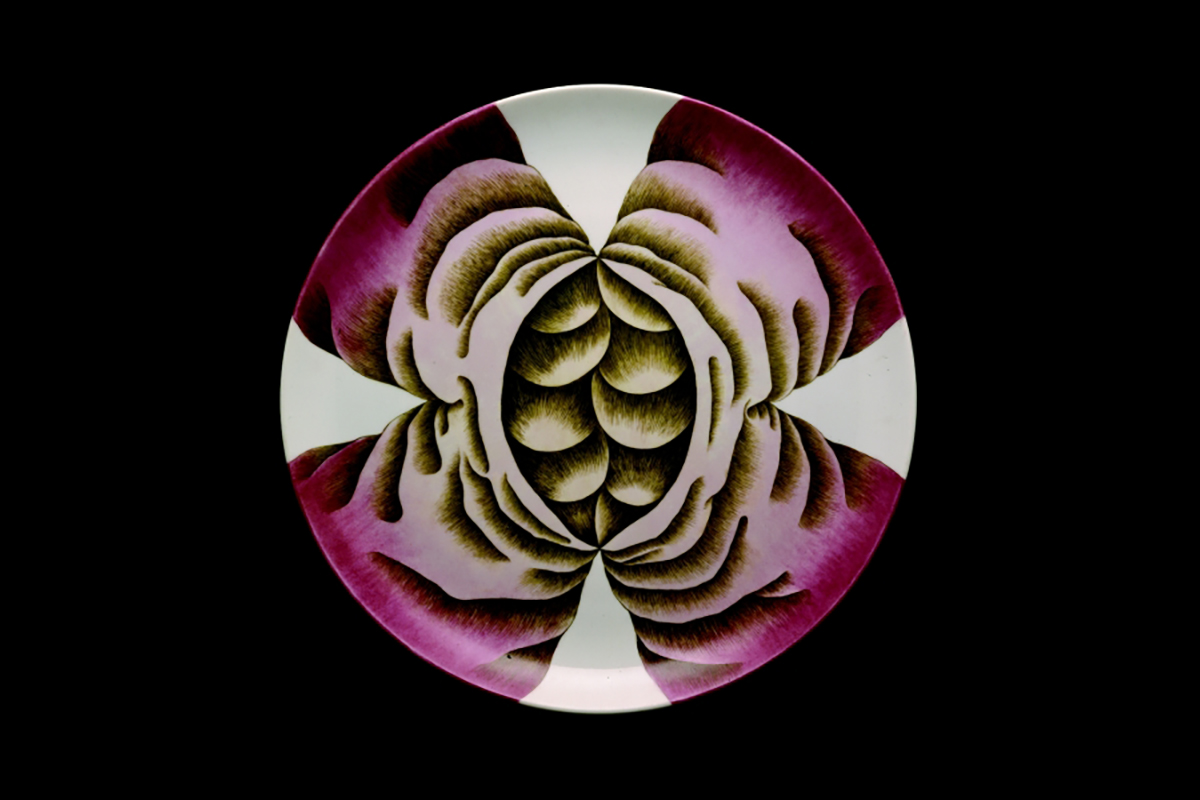
The “Fertile Goddess” is one of thirty-nice guests at Judy Chicago’s The Dinner Party, an installation that provides previously excluded “women” a seat at the (triangular) table. Created between 1974-1979 by a team of artisans working with traditionally female-coded media (porcelain, lace, fabric), the cheerfully vulvic place settings, which also an “Amazon” and “Sappho,” provide a refreshing interlude amidst the tiresome phallocentrism of the ancient Mediterranean. The Dinner Party takes liberties with the concept of “historical” and comes from a second-wave feminist perspective. The inspirational qualities and limitations of the project together contribute to its value as a teaching tool: Judy Chicago’s work can inspire creative engagement with the past and provide myriad potential topics for critical inquiry into key themes including gender, sexuality, race, history, myth, and both the history and aims of feminism.
To learn more about The Dinner Party, visit Judy Chicago’s page here or the exhibit at the Brooklyn Museum of Art here.
To add further context, add some or all of the material on the Eleusinian Mysteries Module [COMING SOON].