Explore Our Modules
Browse all Modules by scrolling down the page. Search by category, alphabetically, or key word using the drop-down menus or search box below.
- Ariadne and the Labyrinth
- Asexuality
- Etruscan Women
- Gender in Roman Civic Identity
- Homeric Hymn to Demeter
- Juvenal, Satire 6
- Menander’s Samia
- Pandora
- The Amazons
- The Dowry in Comedy
Ariadne and the Labyrinth
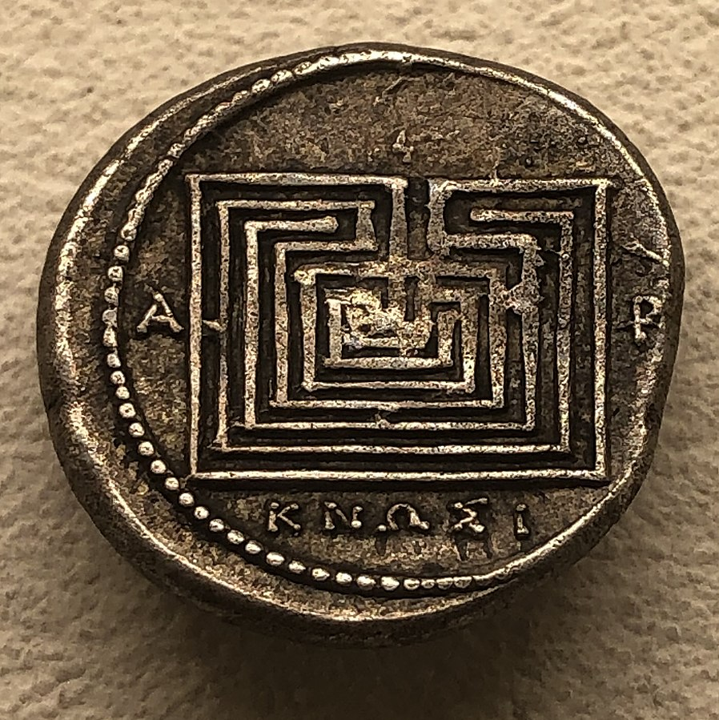
A winding path through the darkness or a metaphor for self-discovery? Or both? This module goes deep into the Labyrinth as an over-abundant symbol in myth and traces its diverse interpretive history. We also explore the mythical figure of Ariadne and her connections to the Labyrinth.
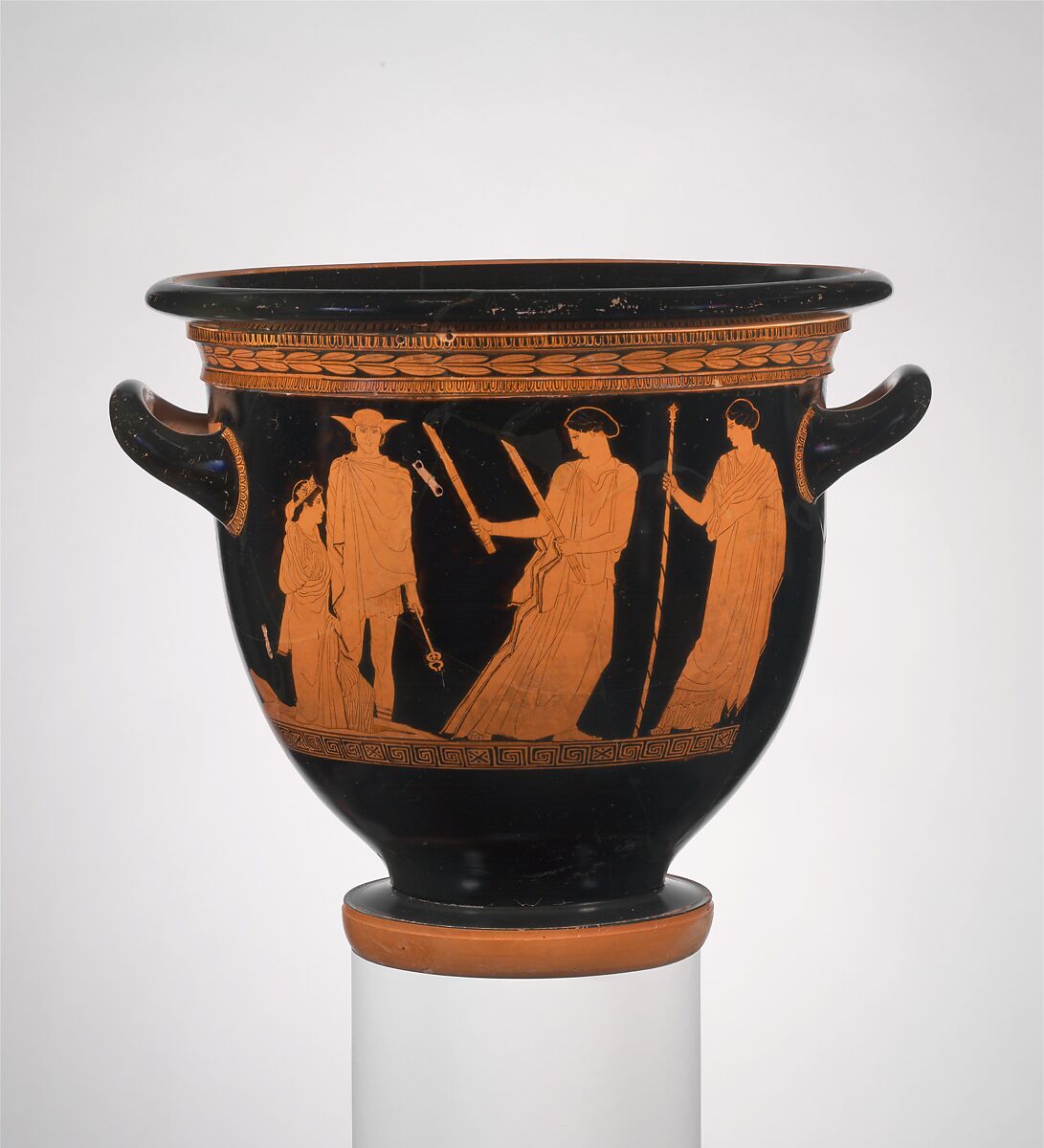
This module explores the creation of the first woman, Pandora, and the misogynystic ideology reflected in her myth. Focal points include Pandora’s characterization as an artificial object, the sexual significance of her opening of the jar, and the differences between her and Eve, the first woman of the Biblical tradition.
This module centers the Homeric Hymn to Demeter as a literary text. We offer suggestions for how to draw on the Hymn for discussions about gender, family, and social practices in the archaic Greek world. We also share some possibilities for inviting students into imaginative engagement with the ritual context of the text.
The Amazons
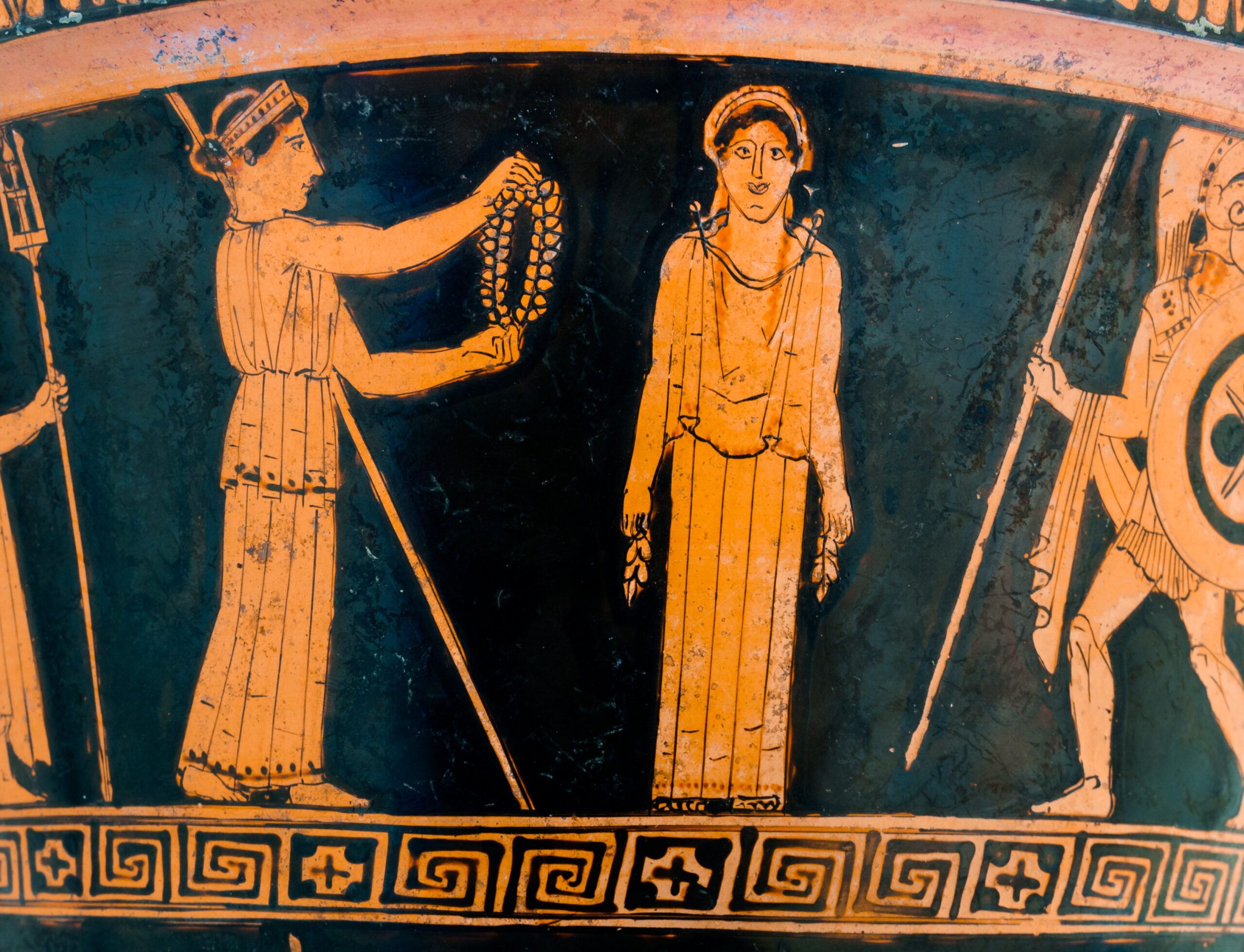
With hundreds of Greek pots and many textual references depicting the Amazons, yet with no direct or verifiable information available, surviving evidence for these famed ancient female warriors requires careful scrutiny and critical inquiry. This module presents an intersectional feminist approach that illuminates how misogyny and ethnic othering dovetail in ancient Greek visual and textual accounts of the Amazons.
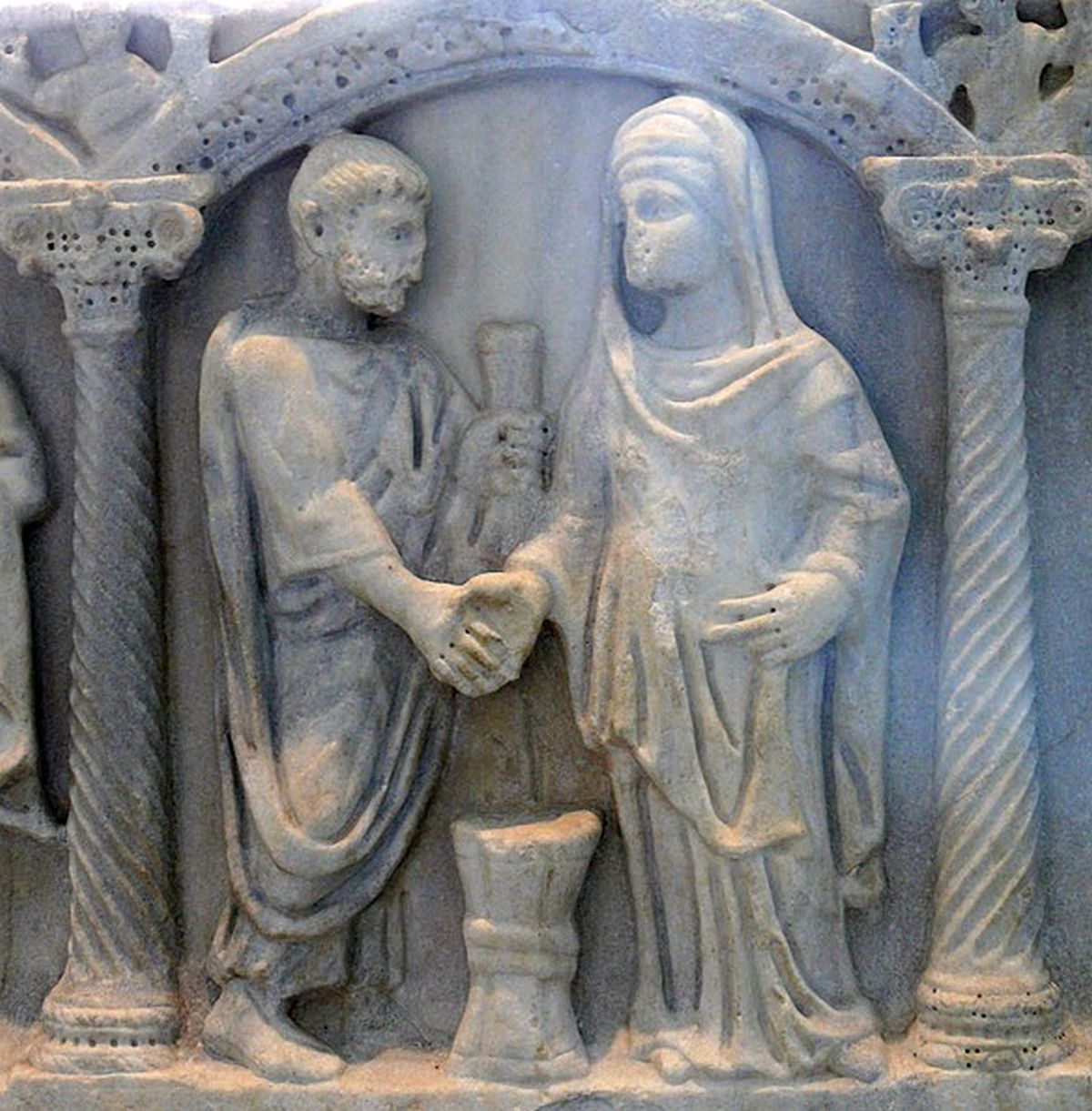
What was the ancient Greco-Roman dowry, and how did it appear in representations of marriages? This module examines the dowry as well as the relationships between husbands and wives as characters in the comedy of Greece and Rome, particularly Menander and Plautus.
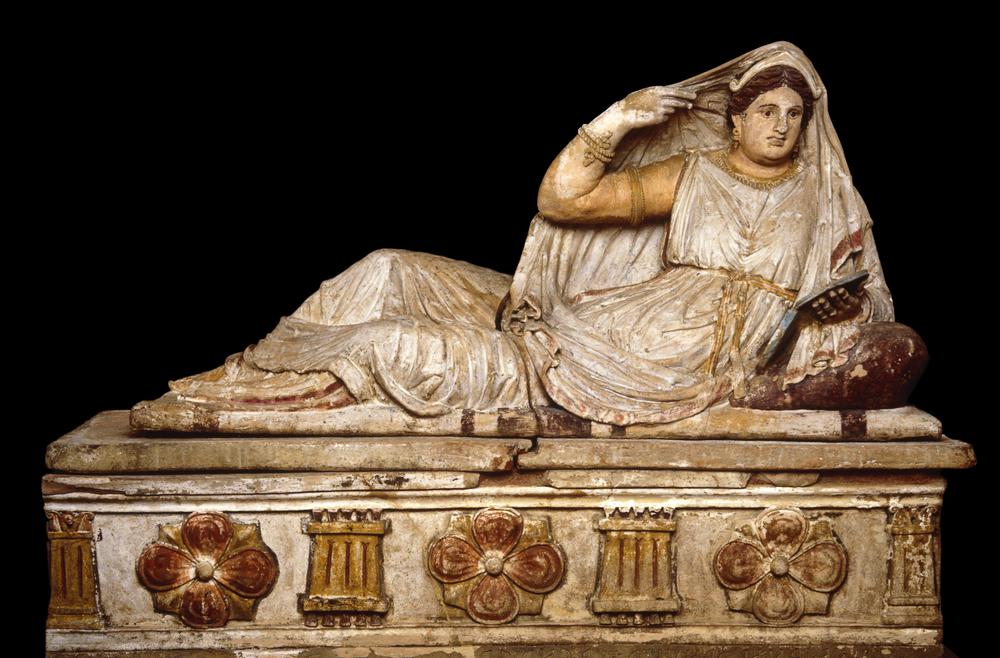
Inspired by scholarship that has often incorrectly assumed gender based on found grave goods in Etruria, this module on the Etruscans invites students to challenge their ideas of what archaeological evidence can tell us about lived experience of women in the ancient world.