Category: Coming Soon
- Ariadne and the Labyrinth
- Asexuality
- Etruscan Women
- Gender in Roman Civic Identity
- Homeric Hymn to Demeter
- Juvenal, Satire 6
- Menander’s Samia
- Pandora
- The Amazons
- The Dowry in Comedy
Ariadne and the Labyrinth
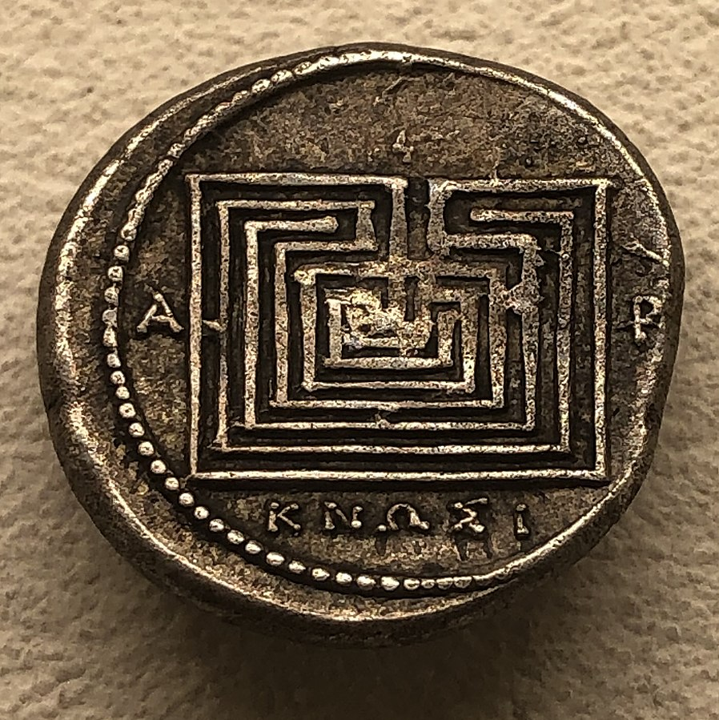
A winding path through the darkness or a metaphor for self-discovery? Or both? This module goes deep into the Labyrinth as an over-abundant symbol in myth and traces its diverse interpretive history. We also explore the mythical figure of Ariadne and her connections to the Labyrinth.
The Amazons
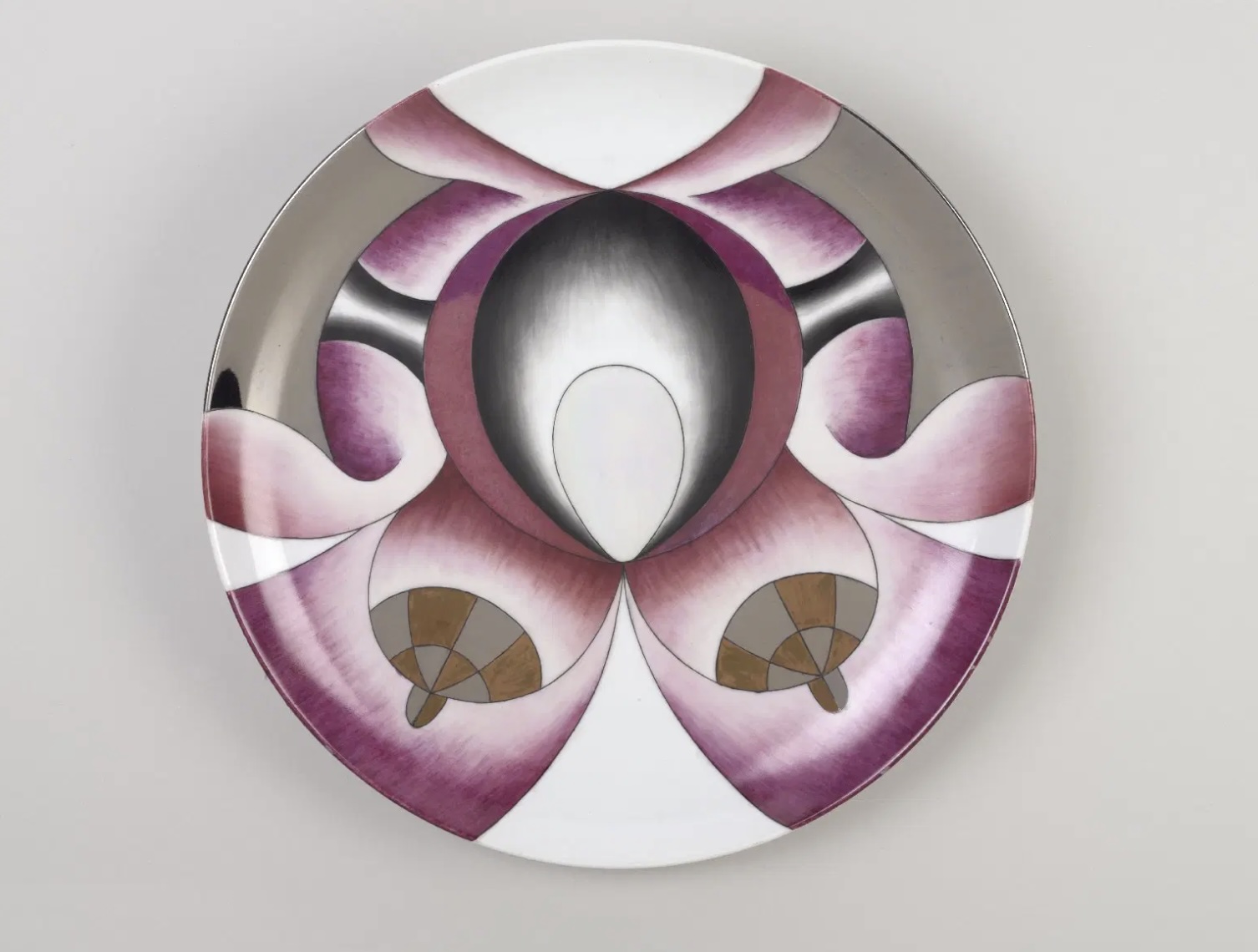
With hundreds of Greek pots and many textual references depicting the Amazons, yet with no direct or verifiable information available, surviving evidence for these famed ancient female warriors requires careful scrutiny and critical inquiry. This module presents an intersectional feminist approach that illuminates how misogyny and ethnic othering dovetail in ancient Greek visual and textual accounts of the Amazons.
Gender in Roman Civic Identity

Examining Gender in Roman Civic Identity: Depictions of Cities and Provinces in Roman Art considers the iconography of geography in the Roman Mediterranean. In this module, students will explore three main questions: How were provinces, cities, and geographic features represented in public spaces across the Roman Mediterranean? What role does gender play in the geographic personifications? How does gender intersect with broader ideals of Roman imperialism (and conquest), peace, and prosperity?
The base module will center its lesson on examples from Roman sculpture, particularly from the Temple of Hadrian at Rome and the Basileon at Aphrodisias. In the “Further Exploration” section, we also provide secondary scholarship and additional examples, resources available for a student intending to expand upon the module in a research project.
Asexuality
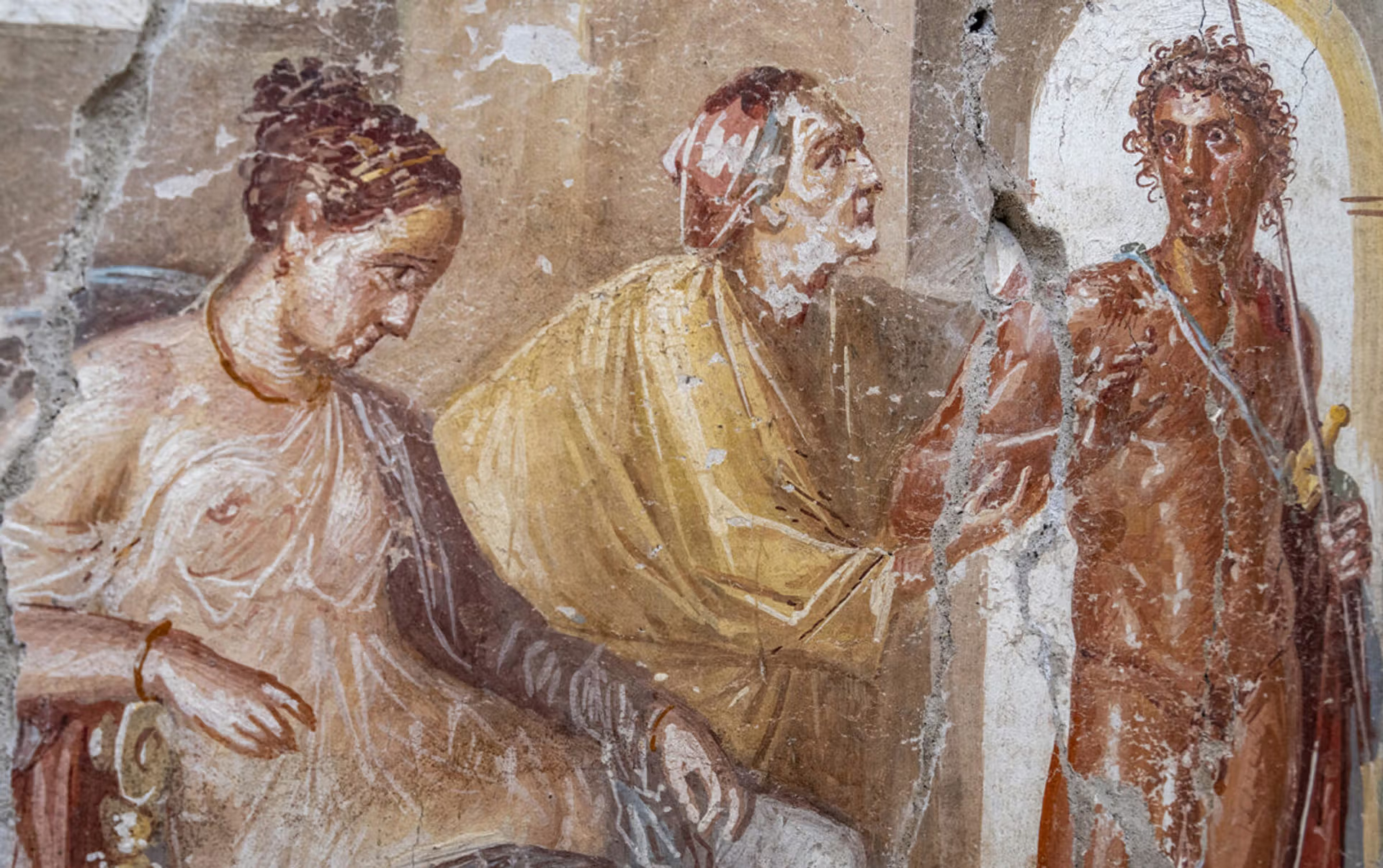
Menander’s Samia
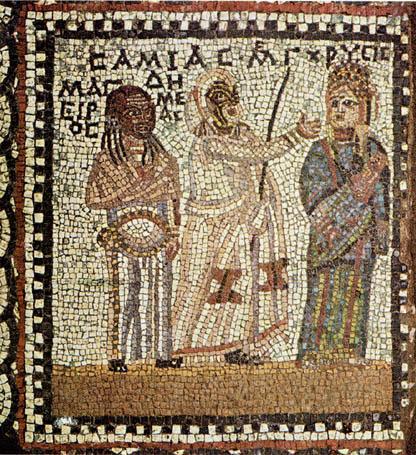
Menander’s Samia can be a jumping off point for many potential discussions about Athenian cultural and/or political context. This module offers two potential areas for investigation:
a. Sex work and The Samia
b. Ancient Athenian Laws about sexual assault and The Samia